
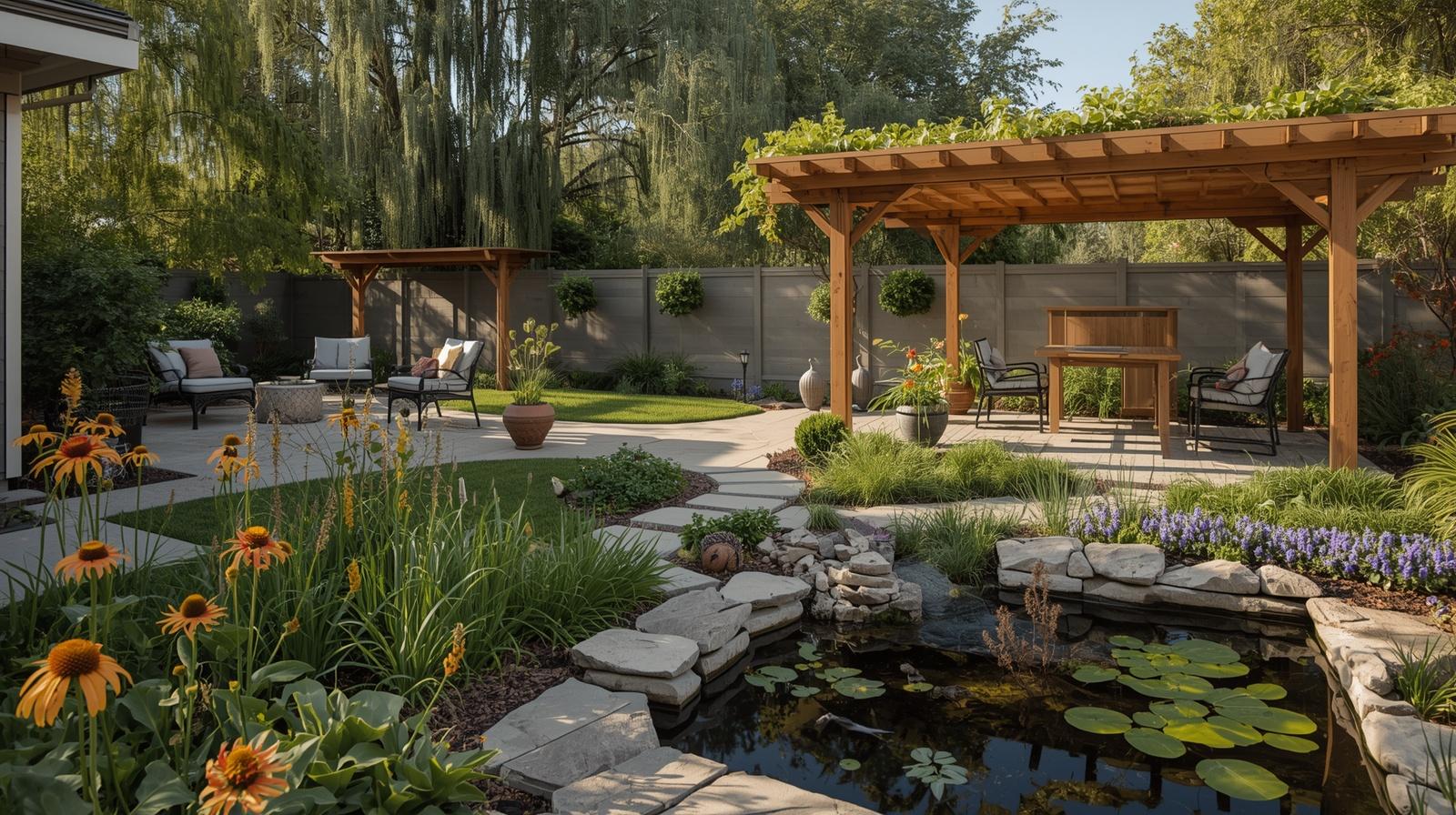
Sustainable Outdoor Living: Eco-Friendly Ideas

Admin
Blog AuthorIt has never been more crucial to create an ecologically friendly and beautiful outdoors. Outdoor living involves more than a mere trend, it is a lifestyle change, and it decreases the environmental footprint, saves on the consumption of resources and improves well-being. Your yard, patio, and garden can be both beautiful and environmentally friendly when you bring green concepts into your home environment. There are various actionable strategies, recommendations, and pitfalls we will discuss in this article.
Advantages of a Sustainable Outdoor Life
Going green on your lawns and gardens has many advantages:
Environmental Impact Minimization
Outdoor practices and sustainable landscaping use less water, lesser chemicals and enhance the local ecosystems. Indicatively, planting native species will attract pollinators, and reduce the amount of irrigation required.
Cost Savings
Outdoor living which is environmentally friendly tends to save on utility bills. Long run expenses are reduced through the use of solar lighting, harvesting of rain water, and drought resistant plants.
Health and Well-Being
Green areas enhance the wellbeing of the psyche, decrease stress, and promote physical exercise. There is also exposure to toxic pesticides that is avoided in organic gardening.
Increased Property Value
Houses that have well planned sustainable outdoor environments are usually resold at a high price. Customers are valuing low-maintenance landscapes and eco-friendly landscapes.
Ways of Creating Environmentally Friendly Outdoors
Sustainable practices do not necessarily need to be a complex concept. Here are practical tips:
Select Native and Drought-Resistant Plants
Since the native plants are adapted to the local climates, they need less water and maintenance. Irrigation requirements are minimized with drought-tolerant plants such as lavender, ornamental grasses or succulents.
Install Effective Irrigation Systems
Drip irrigation and smart timers save water and at the same time guarantee growth of plants. One of the common mistakes that consume resources and cause harm to plants is overwatering.
Inclusively, Use Renewable Energy
Solar powered lights, fountains and heaters reduce the amount of electricity consumed. Outdoor kitchens and water features can also be powered by solar panels.
Use Sustainable Materials
Use recycled, reclaimed or responsible sourced decking, fences and furniture. Bamboo, reclaimed wood and composite deckings are eco-friendly and durable.
Compost and Mulch
Through composting the waste in the yard, people will contribute less to landfills and naturally enrich the soil. Mulching helps to keep soil moist and weed-free and to improve the health of soil.
Harvest Rainwater
Water containers and rain barrels decrease the use of city water. Rainwater collected can be used in irrigation and this can help reduce water bills by a significant amount.

Outdoor Living Ideas by Area that are Environmentally Friendly
Sustainable Gardens
- Edible Landscaping: To make the most of available space, plant ornamentals together with vegetables and herbs.
- Pollinator-Friendly Gardens: Plant flowers such as coneflowers, milkweed and bee balm to appeal to bees and butterflies.
- Permeable Pathways: Gravel, permeable pavers or mulch paths expose the ground to stormwater to reduce and minimize run off.
Outdoor Living Spaces
- Eco-Friendly Furniture: Select furniture that is constructed out of recycled plastic, used wood or FSC-certified products.
- Green Roofs and Pergolas: Plants can be introduced to buildings to enhance insulation and minimize heat conductivity.
- Shade with Purpose: Trees and pergolas will give the natural shade, reduce cooling expenses and enhance biodiversity.
Water Features and Wildlife
- Natural Ponds: It should not be treated with chemicals; plants should be added, so that it forms a balanced ecosystem.
- Bird-Friendly Areas: Build birdhouses, feeders and water baths to encourage local birds.
- Rain Gardens: Retention of stormwater, and provide habitats to birds and other useful insects.
Common Mistakes to Avoid
Even green-minded outdoor sportspeople are not infallible. Watch out for:
- Overwatering – results to wasted water and poor plant roots.
- Non-Native Planting – Grows upkeep and diminishes ecological advantages.
- Overlooking Soil Health – Healthy soil is a complicated requirement; failure to compost and add mulch may damage the sustainability of the long-term.
- Over Hardscaping – The surplus of concrete or asphalt does not allow the water to absorb and add to heat islands.
- Inexpensive, Non-renewable Materials – Furniture or decking with a short lifespan is more wasteful and expensive.
Practitioner Guidelines to Sustainable Outdoor Living
Professionals suggest an environmentally friendly outdoor design:
- Prepare Low Maintenance: Select resistant plants and materials to be used in order to reduce maintenance.
- Think about Microclimates: Note the sun, wind and water patterns in order to take the best plants and structures.
- Include Biodiversity: Biodiversity needs to be encouraged to have a balanced ecosystem such as pollinators, birds, and soil microorganisms.
- Focus on Energy Saving: Outdoor lights, fountains and devices should be served by solar or wind energy.
- Keep Track: Use sustainable landscaping manuals, local extension agencies or environmental protection organizations, to get advice on particular areas.
Conclusion
Sustainable outdoor living is not an eco-friendly decor only: it is a way of life that can find harmony with nature and generate aesthetic, financial, and health values. Anyone can construct a beautiful yet environmentally friendly backyard or a garden by installing native plants, renewable energy, efficient irrigation, and environmentally friendly materials. Careful preparation, tips and tricks can help make your outdoor areas a place that you, your family and wildlife in your area can enjoy.