
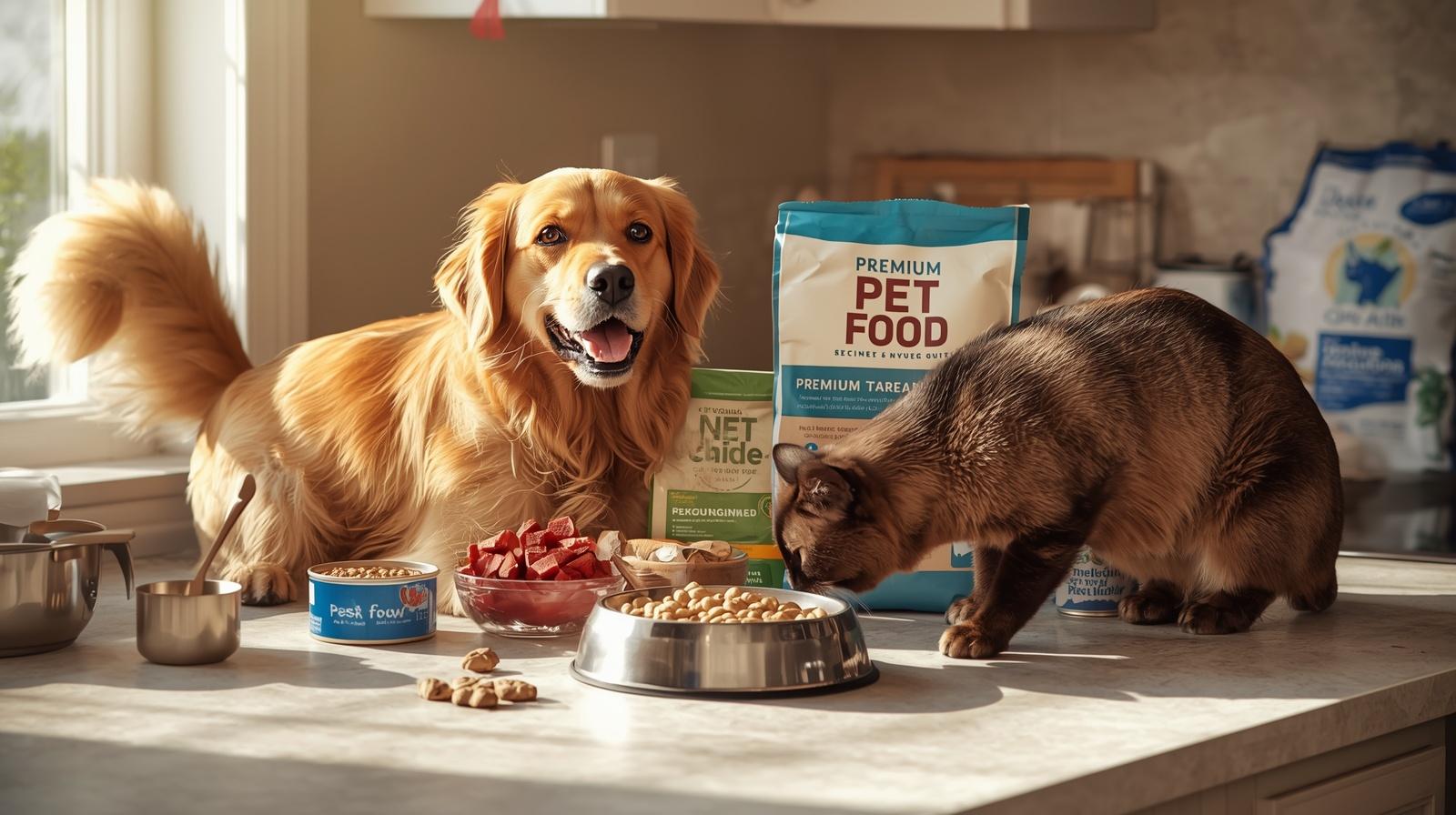
How to Choose the Best Food for Your Furry Friend

Admin
Blog AuthorWhen it comes to feeding your pet it is not merely a matter of grabbing a good bite off the store shelf. Everything that you feed on will have a direct effect on the health, energy, and life span of your pet. There is an abundance of choices, both dry kibble and fresh, raw, and it can be difficult to find out what is really going to be the best choice to feed your dog or cat. We will discuss all that you should know about buying good quality pet food to keep your pet happy.
Knowing Your Pet's Nutritional Requirements
Pets are all different and their dietary needs differ with their age, breed, size, activity level, and health condition. It is important to have an understanding of the nutrients your pet needs before deciding on a food.
Important Pet Nutrients
- Proteins: Play a vital role in muscle building and repair. The best animal proteins tend to be the most digestible.
- Fats: Contain energy and maintain skin and coat health.
- Carbohydrates: A source of energy, which is better digested by some pets than others.
- Vitamins and Minerals: Vitamins and minerals are needed to keep the immune system working, maintain the bones, and be generally healthy.
- Water: In most cases it is ignored but hydration is an essential aspect of any body processes.
- Reminder: Pay attention to the ingredient list. The initial few ingredients normally provide the main sources of nutrients.

Types of Pet Food
When choosing the type of food, it is important to know the different types of food and their advantages.
Dry Kibble
- Cons: Not very convenient, can have a long shelf life, can be used to reduce tartar formation.
- Minuses: Certain less quality kibbles have fillers or unnatural ingredients.
Wet or Canned Food
- Advantages: More water, easier to palate with finicky palates.
- Cons: It can be more costly, and has a shorter shelf life after opening.
Raw or Fresh Diets
- Advantages: Contained more nutrients, was closer to the natural diet.
- Cons: This type of technology needs a thorough preparation and hygiene to avoid contamination by bacteria.
Specialty Diets
An allergy formula, kidney disease formula, or weight management formula that is prescribed or recommended by the veterinarian.
Quality of Pet Food
Not every pet food is the same. These are the considerations to make when weighing the options:
Ingredient Transparency
Good brands have complete ingredient labels, and will not use vague phrases such as meat by-products.
Nutritional Adequacy
Seek the opinion of regulatory bodies like the AAFCO (Association of American Feed Control Officials) which stipulates the minimum nutritional standards of foods.
Avoid Harmful Additives
Artificial colors, flavors and preservatives may occasionally result in digestive discomfort or allergies.
Look at Stage of Life Formulas
Different dogs require different amounts of calories and nutrients; puppies, adult dogs, and old pets.
Tips for Selecting the Best Food
- Ask Your Veterinarian: They are able to give specific advice depending on your pet's health and lifestyle.
- Minimize Rapid Changes: Rapid dietary shifts cause stomach upsets in your pet. Combine new food with old in more than 7–10 days.
- Keep a Check on the Health of Your Pet: Test their energy level, coat luster, stool quality, and weight as a measure of a successful diet.
- Special Needs: Pets that are allergic, overweight, or chronically ill may have special needs.
Top Blunders Pet Owners Commit
- Eating According to Cost Alone: Low prices do not mean food is missing some crucial nutrition.
- Giving Human Food on a Regular Basis: Sometimes pets can be poisoned by such foods (e.g. chocolate, onions, grapes, etc.).
- Negligence When it Comes to Serving: Obesity occurs as a result of overeating; malnutrition may result as a result of eating too little.
- Failure to Consider Stage of Life: Adult formulas cannot be used when raising puppies or kittens.
Expert Recommendations
The following are important considerations that veterinarians and pet nutritionists make when selecting food:
- Focus on Quality Protein Sources: The first ingredient should be meat.
- Check Balanced Nutrition: Are there nutritional essentials (vitamins, minerals, and amino acids)?
- Allergens to Be Aware Of: The usual suspects are wheat, soy, and corn; look into hypoallergenic diets when required.
- Rotate Diets with Caution: There can be benefits to rotation but it should be done over time.
Advantages of Feeding a Good Quality Pet Food
Providing your cat with the highest quality food is not only beneficial in the long run:
- Improved Bowel Movement: Decreases diarrhea, gastric, and constipation.
- Smoother Skin and Coat: Adequate fats and vitamins are associated with a shiny coat.
- Increased Power and Strength: Eating well helps to keep the body active and healthy.
- Disease Prevention: Risk factors can be minimized by using diets specific to a particular age, breed, or health condition.

Conclusion
Selecting the most appropriate food to feed your pet takes a considered approach based on the nutritional value, life cycle requirements, and also the unique health needs. Knowing the dietary needs of your pet, analyzing what to include in the diet, and getting the professionals involved where needed will help you give your pet a long, healthy, and happy life. Finally, the most effective way to make a difference by expressing love and care is by investing time and attention to their diet.