
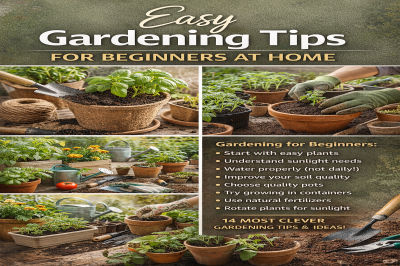
Easy Gardening Tips for Beginners at Home

Admin
Blog AuthorSo you bought a plant… and it died. Don’t worry. We’ve all been there.
I still remember my first basil plant. I watered it like crazy because I thought “more love = more growth.†Spoiler: it drowned.That’s exactly why I’m writing this guide on Easy gardening tips for beginners at home so you don’t repeat my tragic herb funeral.
If you want a simple, realistic way to start gardening without turning your balcony into a disaster zone, keep reading.
Gardening for Beginners: Start Simple, Not Fancy
Let’s clear something up.
You don’t need a huge backyard. You don’t need expensive tools. You definitely don’t need to call yourself a “plant parent†on day one.
Gardening for Beginners works best when you keep things simple and manageable.
Start with:
2–3 easy plants
Basic soil
Proper sunlight
A consistent watering routine
That’s it.
Ever noticed how people buy 15 plants at once and then panic? Don’t do that. Build confidence first.
Gardening for Beginners in Pots (Perfect for Small Spaces)
No yard? No problem.
Gardening for beginners in pots works beautifully for balconies, rooftops, or even windowsills.
Why Pots Are Great for Beginners:
You control the soil quality
You manage watering more easily
You move plants based on sunlight
You reduce weed problems
I always recommend starting with pots because they’re forgiving. If one plant struggles, it doesn’t ruin everything else.
Just make sure every pot has proper drainage holes. Overwatering kills more plants than neglect ever will.
Choose Beginner-Friendly Plants
You want plants that cooperate, not drama queens.
Best Starter Plants:
For Vegetables:
Tomatoes
Spinach
Lettuce
Green chilies
Mint
For Flowers:
Marigolds
Petunias
Zinnias
Sunflowers
These options make vegetable gardening tips for beginners and flower gardening tips for beginners much easier to follow because they grow quickly and show visible progress.
And trust me, seeing growth motivates you like nothing else.
Understand Sunlight Before You Do Anything
Sunlight decides everything.
Ask yourself:
Does my space get full sun (6+ hours)?
Partial sun?
Mostly shade?
Most vegetables love full sun. Many flowers tolerate partial light.
If you ignore sunlight requirements, your plants struggle no matter how much effort you put in.
Water Smart, Not Excessively
New gardeners usually overwater. I did too.
Here’s the trick:
Stick your finger 1–2 inches into the soil.
If it feels dry, water.
If it feels moist, wait.
Simple, right?
Plants don’t need daily watering unless the weather demands it. Roots need oxygen too.
Soil Quality Matters More Than Fancy Tools
Cheap soil causes weak plants.
Invest in:
Nutrient-rich potting mix
Organic compost
Natural fertilizers
Good soil supports healthy root systems, and strong roots create strong plants.
You don’t need expensive gardening gear. You need good soil.
14 Most Clever Gardening Tips and Ideas
Let’s make things practical. Here are 14 most clever gardening tips and ideas that actually work:
Use eggshells to add calcium to soil
Save vegetable scraps for compost
Rotate pots weekly for even sunlight
Label plants to avoid confusion
Use coffee grounds for nitrogen boost
Water early morning or late evening
Mulch soil to retain moisture
Group plants with similar needs together
Prune regularly to encourage growth
Start small before expanding
Clean tools after every use
Check leaves weekly for pests
Repot when roots outgrow containers
Track watering schedules
These tiny habits make gardening easier and more successful.
Vegetable Gardening Tips for Beginners
Growing your own vegetables feels incredibly rewarding.
Key Tips:
Choose seasonal vegetables
Use large containers for root space
Provide support for climbing plants
Harvest regularly to encourage growth
Tomatoes, for example, need support stakes. Lettuce grows quickly and doesn’t demand much.
Once you harvest your first homegrown vegetable, you’ll understand why people get obsessed.
Flower Gardening Tips for Beginners
Flowers add instant color and happiness.
To succeed:
Choose bright spots for sun-loving flowers
Deadhead faded blooms
Use balanced fertilizer
Avoid overcrowding
Flowers thrive when you give them breathing space. Cramming too many into one pot stresses them.
Avoid These Beginner Mistakes
Let’s save you some frustration.
Don’t:
Overwater
Ignore pests
Use garden soil in pots
Forget drainage
Give up too early
Every gardener makes mistakes. Even experienced ones.
Gardening teaches patience. Growth takes time.
Gardening for Beginners Course: Do You Need One?
Some people love structured learning. If you enjoy step-by-step guidance, a gardening for beginners course can help you understand plant care basics faster.
But honestly? You can learn a lot from practice, observation, and a bit of research.
Start with simple plants first. Experience beats theory.
Create a Routine That Works
Gardening becomes easier when you stay consistent.
Weekly routine example:
Check soil moisture
Inspect leaves
Trim dead parts
Rotate pots
Add light fertilizer
Five to ten minutes a day makes a difference.
You don’t need hours.
Why Gardening Feels So Rewarding
Something changes when you grow your own food or flowers.
You feel calmer. More patient. More connected to nature.
Watching a seed turn into a plant reminds you that progress happens quietly.
And honestly, seeing green life in your home just feels good.
Final Thoughts
Starting doesn’t require perfection. It requires patience.
Follow these Easy gardening tips for beginners at home, choose simple plants, focus on sunlight and watering, and keep things manageable.
Whether you’re exploring gardening for beginners in pots, trying vegetable gardening tips for beginners, or experimenting with flower gardening tips for beginners, remember this:
Growth takes time. Mistakes teach lessons. And every plant you nurture builds your confidence.
So tell me what’s the first plant you’re going to grow?